Solar Panel Maintenance: Cleaning, Monitoring, and When to Call a Technician
Quick answer
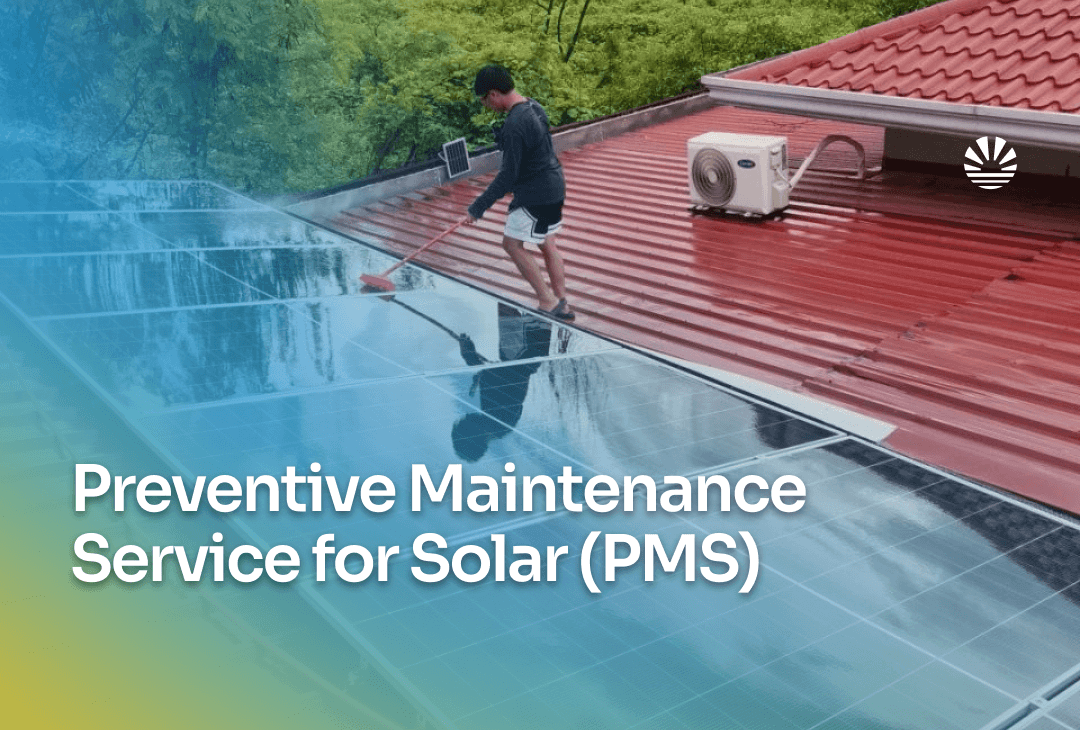
Solar panels need little maintenance. Check your monitoring app regularly, clean the panels when dust or bird droppings build up, especially in the dry season, and have a technician inspect the system after storms. Clean early in the morning with plain water and a soft brush, and never open the inverter or DC wiring yourself.
Key takeaways
- Check your monitoring app regularly and compare production with similar sunny days.
- Clean panels when dust or bird droppings build up, especially in the dry season, using plain water and a soft brush.
- Never open the inverter or DC wiring, because DC wiring stays live whenever the sun is shining.
- Leave roof work and anything electrical to a trained technician.
Solar panels have no moving parts, so they need far less care than most home appliances. A few simple habits keep your system producing well for years, and knowing which jobs to leave to a technician keeps you safe.
Check Your Monitoring App Regularly
Your monitoring app is the easiest way to spot problems early.
Compare today's production with similar sunny days. A sudden drop can mean dirty panels, new shade, a tripped breaker or an equipment fault. Weather changes output too, so compare sunny days with sunny days.
Cleaning Your Solar Panels
Dirt and droppings block sunlight and lower your output.
How often to clean
Clean when you see buildup or your production drops, not on a fixed schedule.
During the rainy season, rain washes most dust away. In the dry season, dust builds up faster. Homes near rice fields, dirt roads or harvest areas may see more dust and chaff, and bird droppings can appear any time.
How to clean safely
Gentle cleaning is all panels need.
- Clean early in the morning or late in the afternoon, when the panels are cool.
- Use plain water and a soft brush or sponge.
- Clean from the ground with a long-handled brush where possible.
- Don't use abrasive pads, harsh chemicals or pressure washers.
- Don't spray cold water on hot panels, since the sudden temperature change can stress the glass.
- Never walk or stand on the panels.
What You Can Do vs What Needs a Technician
Some tasks are safe for homeowners. Anything electrical or on the roof is not.
You can:
- Watch your monitoring app and note any error codes
- Keep the area around the inverter and battery clear and ventilated
- Clean panels you can reach safely from the ground
- Tell your installer about new shade from trees or buildings
Leave to a technician:
- Anything involving DC wiring, connectors or combiner boxes
- Opening the inverter or battery
- Any work on the roof, including checking mounts and clamps
- Breakers that trip again and again
DC wiring from your panels stays live whenever the sun is shining, even during a brownout. Never touch it.
Inverter and Battery Care
Keep your equipment cool and uncluttered.
Don't store items against the inverter or battery, and keep their vents clear. Watch for warning lights or error codes, and keep batteries within the temperature range in their manual.
Checks After Strong Storms
Typhoons are the biggest risk to a well-installed system.
After a storm, look for cracked glass, shifted panels or loose wiring from the ground, and call your installer before using a damaged system. Read Can Solar Panels Survive a Typhoon? for a full checklist.
Common Problems to Watch For
Most issues are easy to fix when caught early.
- Loose connectors between panels
- Water entering junction boxes or enclosures
- Roof leaks around mounting points
- An inverter that overheats or shows frequent errors
- Damage from power surges or lightning
Need a system check or a new installation? Request a free site assessment.